
I have worked with meat since 2000: first as a butcher, then as a meat supplier to five-star hotels in Cusco and, since the end of 2010, at the Águeda grill. The question I hear most at the table is always the same: “which cut do you recommend?”. This guide is my answer. I explain what makes each cut different, how to order it and which one to choose for your taste.
What makes one cut different from another
A cut is a specific part of the animal, and every muscle works differently. Three things define how it feels when you eat it:
- How much the muscle works. Muscles that barely move, like the tenderloin, are the most tender. The ones that work more have more flavor but need more care on the grill.
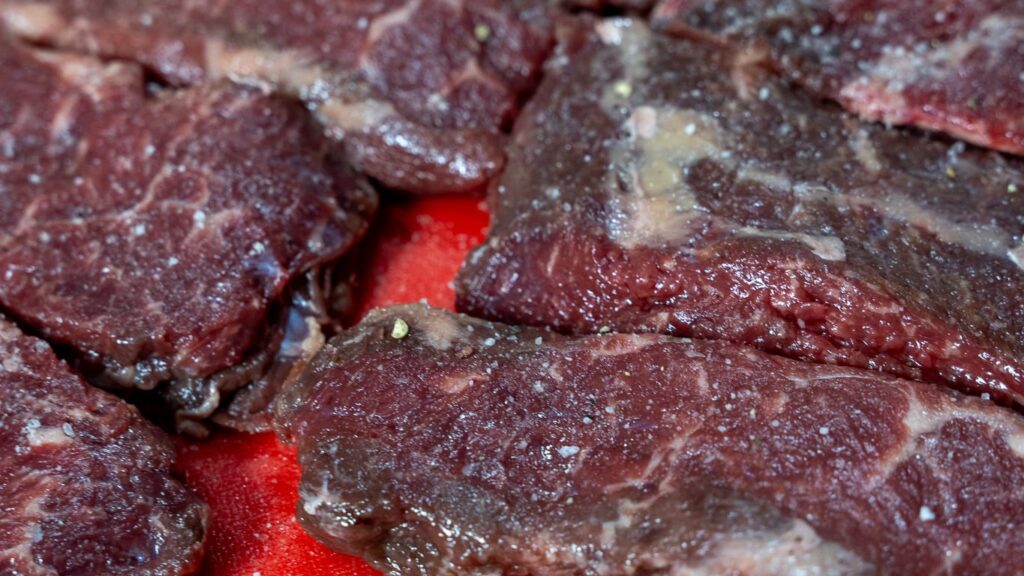
- Fat inside the meat. Those fine streaks of fat are the marbling. They melt with the heat and make the cut juicy and flavorful.
- The fat cap. The layer around some cuts, such as picanha or strip steak. It protects the meat on the grill and gives it a deeper flavor.
The cuts on our menu, one by one
Tenderloin: the most tender
It comes from the lower part of the loin, along the spine. It is a muscle that hardly works, which makes it the most tender cut of beef. It is lean, with a mild, clean flavor. My advice: order it rare or medium; because it is lean, overcooking takes away what makes it special.
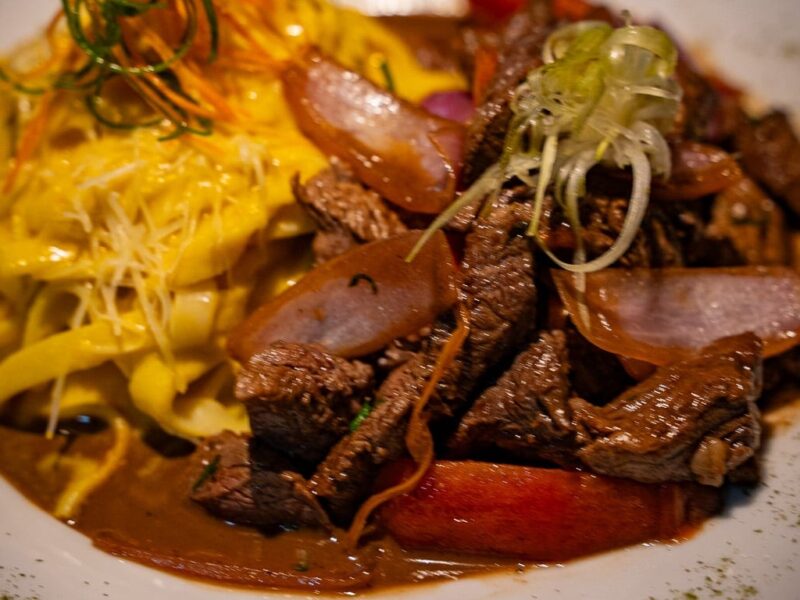
We serve the Tenderloin as a 250 g portion for S/.47, with the side of your choice. It is also the base of our Classic Lomo Saltado, our tenderloins in sauce and the Tenderloin Grill for two.
Strip steak: the grill classic
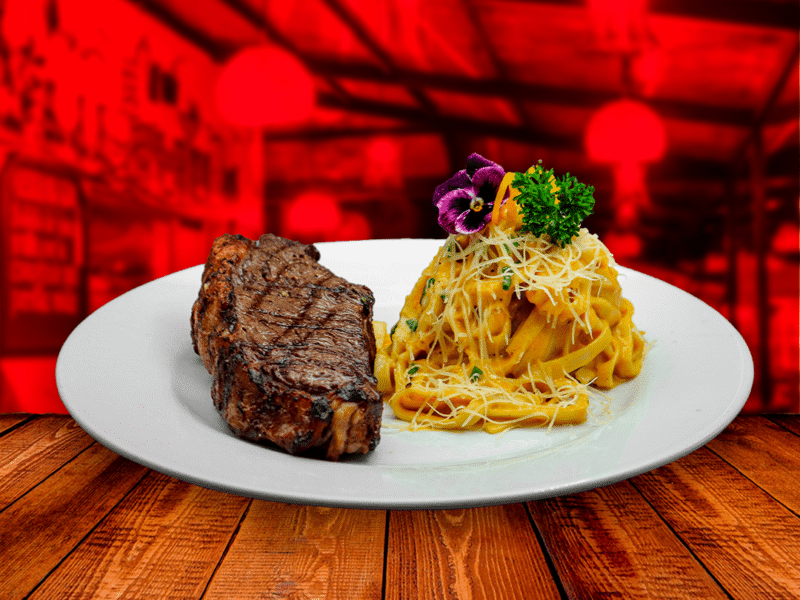
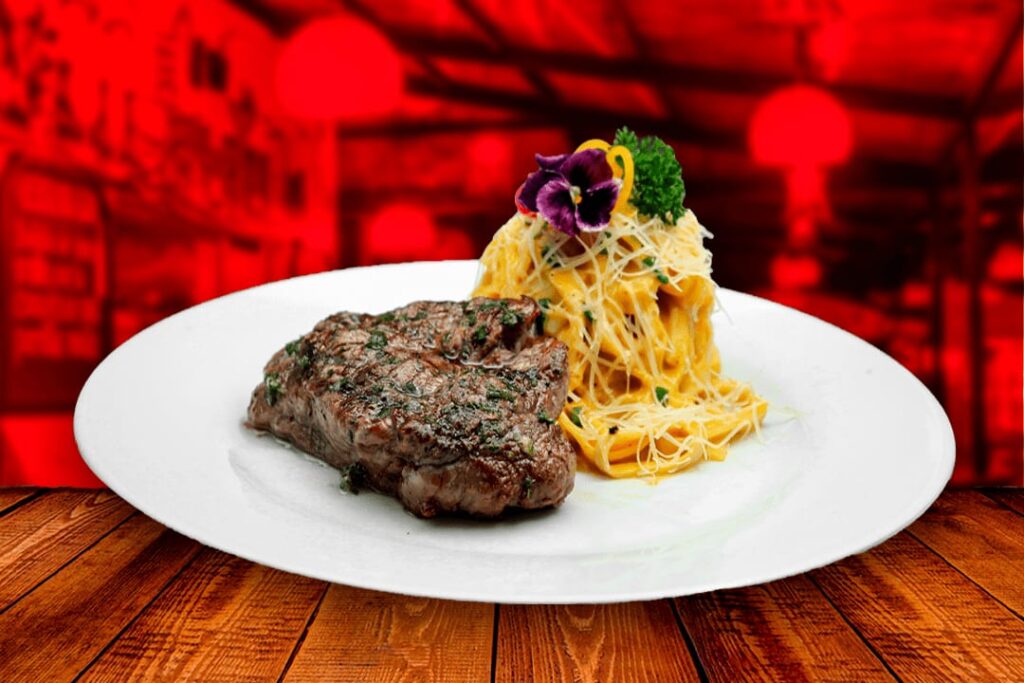
It is the upper outer part of the loin, with a strip of fat along one edge. It is the perfect balance between tenderness and flavor, which is why it is the cut we grill most. In Argentina it is known as bife de chorizo; in the US, as New York strip. It is great cooked medium.
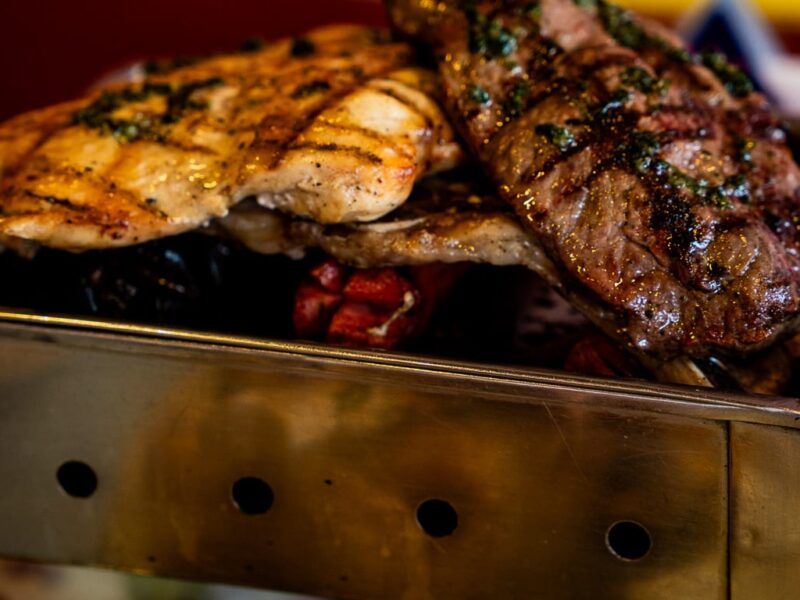
The Strip Steak comes as a 250 g portion for S/.38. It is also the cut in our Personal Grill, Grill for Two and the Strip Steak Grill for two.
Picanha: the one with the fat cap
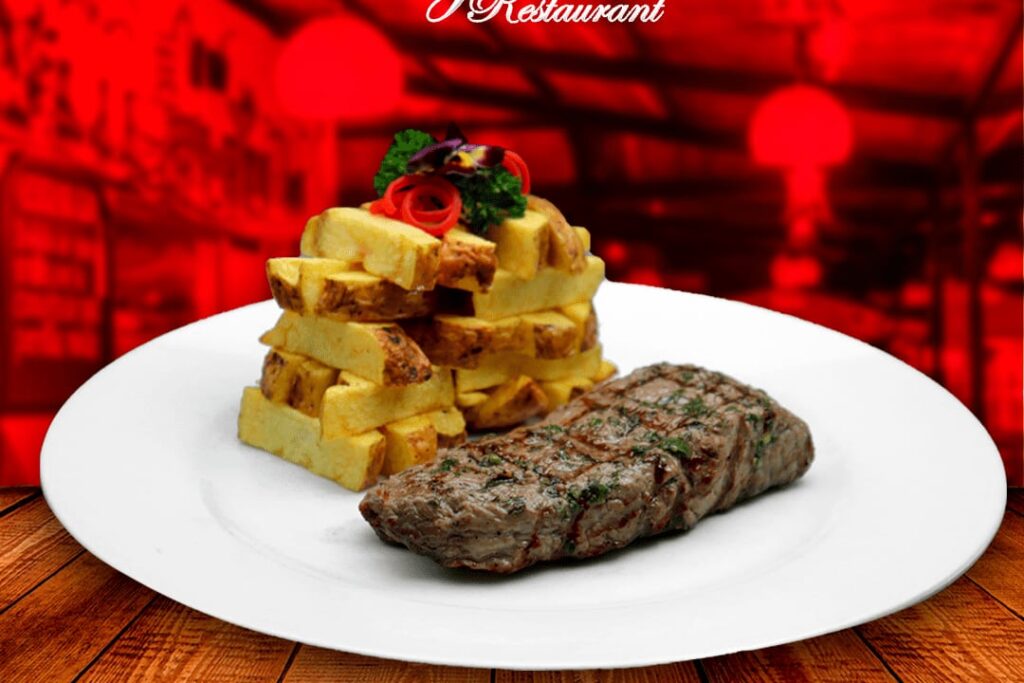
It comes from the top of the rump and you recognize it by its fat cap. On the grill that fat browns and bastes the meat, which is why picanha is so juicy and tasty. It is always sliced against the grain. I recommend it medium.
Our Beef Picanha weighs 290 g and costs S/.41.
Boneless ribeye: the most marbled
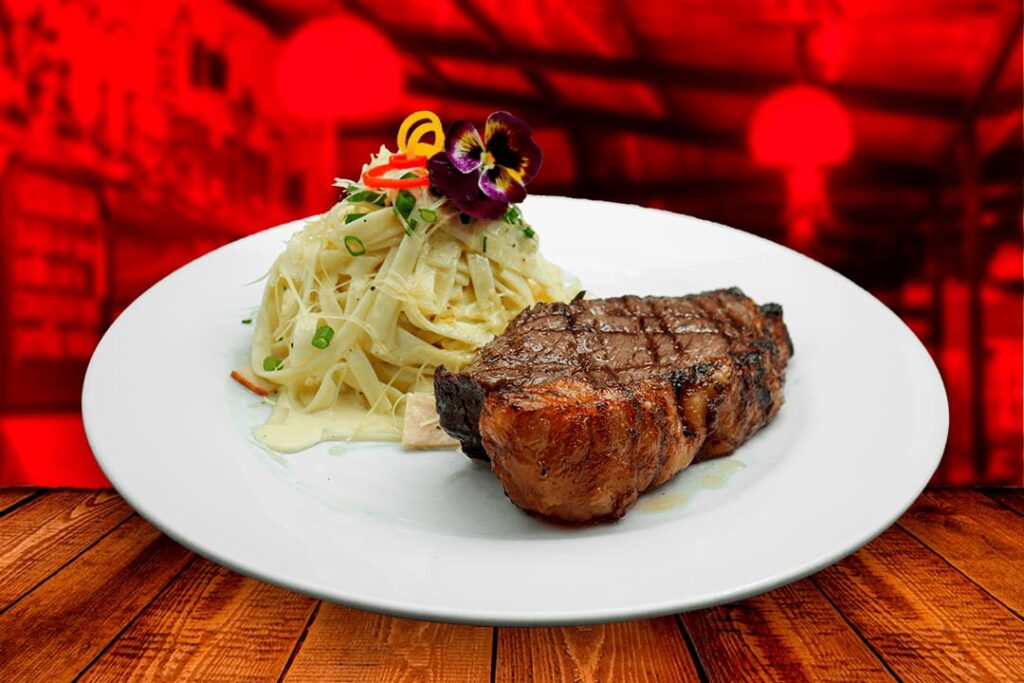
It comes from the rib section. It is the cut with the most fat between its fibers, which makes it the juiciest and the most intense in flavor. Order it medium or medium-well: it needs a little more heat for that fat to melt. The Boneless Ribeye comes as a 350 g portion for S/.46.
Marbled loin: bold flavor
Its Spanish name, lomo vetado, says it all: it is crossed by streaks of fat. A cut for those who want juiciness and flavor above all. The Marbled Loin comes as a 350 g portion for S/.45.
Alpaca loin: the best meat in Cusco
I say it without hesitation: for me, alpaca is the best meat you can eat in Cusco. It is an Andean product, ours, with a mild flavor of its own, different from beef. It is lean meat with very little fat, so the rule is the same as with tenderloin: rare or medium, never well done.
The Alpaca Loin comes as a 240 g portion with the side of your choice, and the Alpaca Loin in Pepper Sauce with Andean potatoes. Both cost S/.47. If you are visiting, this is the dish you should not miss.
Quick comparison
| Cut | What makes it special | Recommended doneness | Portion and price |
|---|---|---|---|
| Tenderloin | The most tender, mild flavor | Rare or medium | 250 g · S/.47 |
| Strip steak | Balance of tenderness and flavor | Medium | 250 g · S/.38 |
| Picanha | Fat cap, very juicy | Medium | 290 g · S/.41 |
| Boneless ribeye | The most marbled | Medium or medium-well | 350 g · S/.46 |
| Marbled loin | Streaks of fat, bold flavor | Medium or medium-well | 350 g · S/.45 |
| Alpaca loin | Andean, lean and mild | Rare or medium | 240 g · S/.47 |
Doneness, made simple
- Rare: browned outside and red in the center. For those who want the meat at its most tender.
- Medium: pink in the center. The balance between flavor and juiciness, and what I recommend for most cuts.
- Medium-well: just a hint of pink. Works well with fattier cuts.
- Well done: no pink. If that is your preference, choose a cut with fat, such as ribeye or picanha, which stay juicy even when cooked longer.
Tell your server when you order. At Águeda we cook your steak the way you ask.
How to spot good meat
After so many years as a butcher, I look at three things: a bright red color, not dark; white or creamy fat that is firm to the touch; and fine streaks of fat spread through the meat. It all starts with the animal. That is why all the meat at Águeda is Peruvian: we work with improved cattle from Puno, Anta and Sicuani, from breeds such as Angus, Fleckvieh, Brown Swiss, Belgian Blue and Criollo, and our premium cuts include Peruvian Angus.
Which cut to order for your taste
- The most tender: tenderloin.
- Balance and the classic grill flavor: strip steak.
- Juicy, with its fat: picanha or ribeye.
- Something local: alpaca loin.
- Two people sharing one cut: the Tenderloin Grill, with four 250 g tenderloin portions (S/.168), or the Strip Steak Grill, with four strip steak portions (S/.127). Both include crispy yuca and fried Andean potatoes.
Premium cuts come with the side of your choice: Andean potatoes, crispy yuca or fettuccine. When dining in, main courses include our complimentary salad bar.
Not sure which location suits you or which grill to order for your group? I explain it in our guide to eating steak in Cusco. Planning your team’s dinner? See the company end-of-year dinner guide. I look forward to seeing you at Matará, Collasuyo or Ttio.
Frequently asked questions
What is the most tender cut of beef?
The tenderloin. It is a muscle that hardly works, which makes it the most tender cut. At Águeda we serve a 250 g portion for S/.47.
What is the difference between strip steak and ribeye?
Strip steak is the upper part of the loin, with an edge of fat and a balance of tenderness and flavor. Ribeye comes from the rib section and has more fat between its fibers, so it is juicier and more intense.
What is picanha?
A cut from the top of the rump with a fat cap that bastes the meat on the grill and keeps it very juicy. Our Beef Picanha weighs 290 g and costs S/.41.
How should alpaca meat be cooked?
Rare or medium. It is lean meat with very little fat, and it loses tenderness if overcooked.
Where does the meat at Águeda come from?
All our meat is Peruvian: improved cattle from Puno, Anta and Sicuani, from breeds such as Angus, Fleckvieh, Brown Swiss and Belgian Blue. Our premium cuts include Peruvian Angus.