
If I had to recommend just one meat to anyone visiting Cusco, it would be alpaca. I say it in all my articles and I stand by it after more than 25 years working with meat: for me, it is the best meat you can eat in Cusco. In this guide I explain what it is, what it tastes like, why it is so special and how to order it just right.
Alpaca and llama are not the same
Both are Andean camelids, raised in the Andes for thousands of years, but they are different animals. The llama is larger and was the pack animal of the Andes. The alpaca is smaller and is raised mainly for its fiber, one of the finest in the world, and for its meat.
An Andean meat, and very much from Cusco
Peru is home to more than 80% of the world’s alpacas, around 4.7 million according to the Ministry of Agrarian Development and Irrigation. Most live in the southern Andean highlands: Puno is the region with the most alpacas and Cusco comes second. That is why alpaca is such a local product, and Peru celebrates a National Alpaca Day every August 1.
Its meat has history, too. Charqui, the dried, salted meat that fed travelers across the Andes, was traditionally made from camelid meat; the word comes from the Quechua ch’arki. Even the English word jerky comes from it.
What alpaca meat tastes like
Many people expect a strong, gamey flavor and are surprised. Alpaca has a mild flavor of its own, different from beef, and a tender texture when cooked well. It is a red meat, deep in color and with very little visible fat.
Why it is such a special meat
Peruvian studies on camelid meat describe it as having around 23% protein, very little fat and less cholesterol than beef. In other words, a lean meat full of flavor that does not leave you feeling heavy, something you appreciate at Cusco’s altitude.
| Alpaca loin | Beef tenderloin | |
|---|---|---|
| Flavor | Mild, distinctive, Andean | Mild, the grill classic |
| Fat | Very lean | Lean |
| Best doneness | Rare or medium | Rare or medium |
| At Águeda | 240 g · S/.47 | 250 g · S/.47 |
How to order it just right
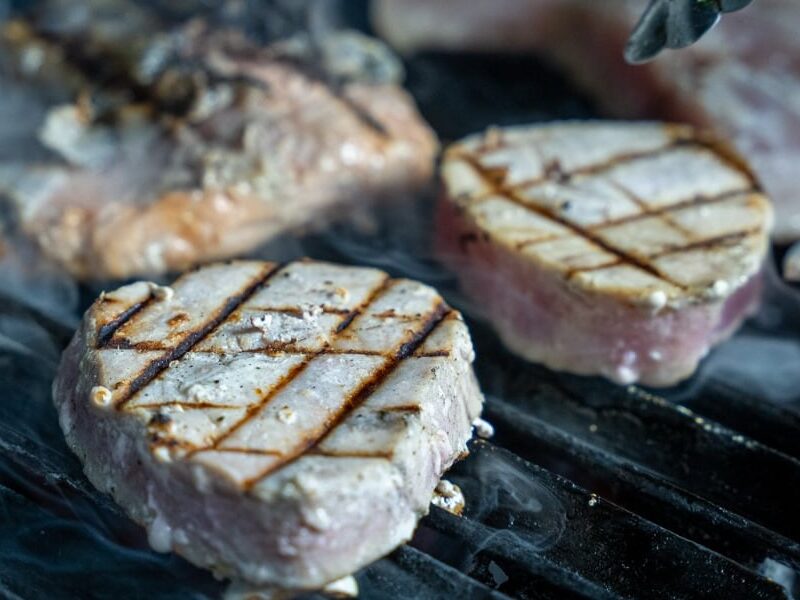
This is the most important tip I can give you: order alpaca rare or medium. Because it is so lean, it has no fat to protect it from the heat; overcooked, it dries out and loses its tenderness. Done right, it is as tender as a good beef tenderloin.
To learn about other cuts and doneness, read our steak cuts guide.
Where to try it in Cusco: at Águeda
We serve alpaca at all three locations, Matará, Collasuyo and Ttio, in two ways, S/.47 each:
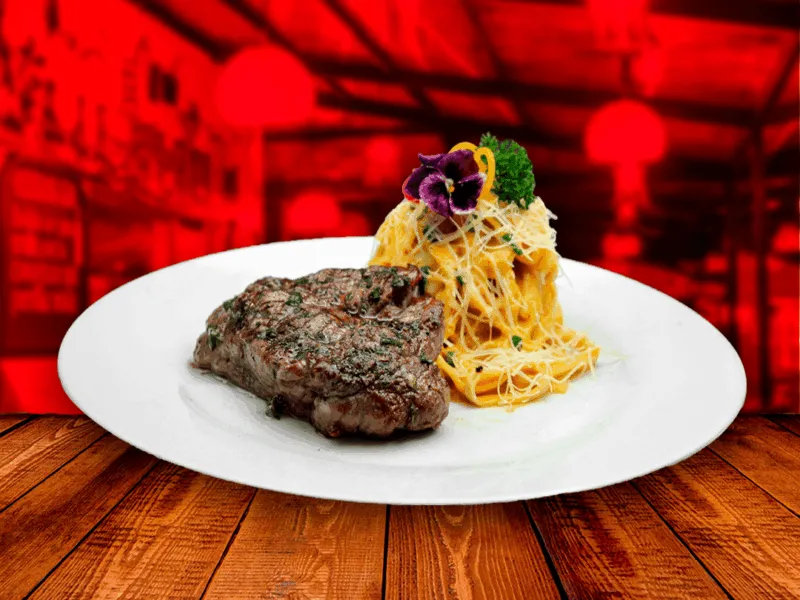
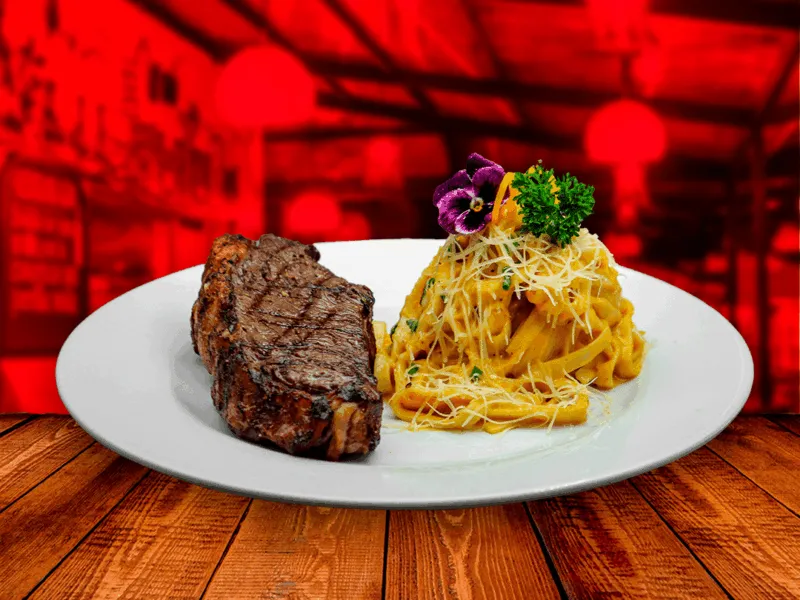
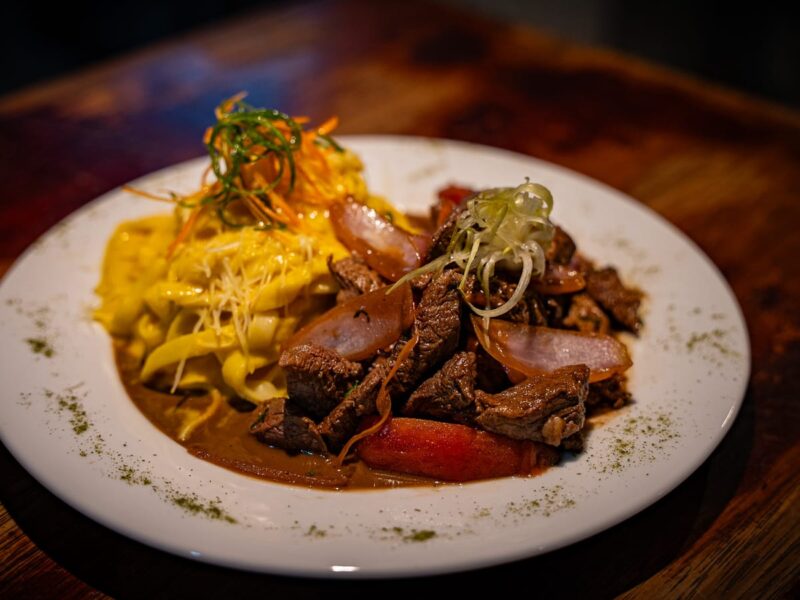
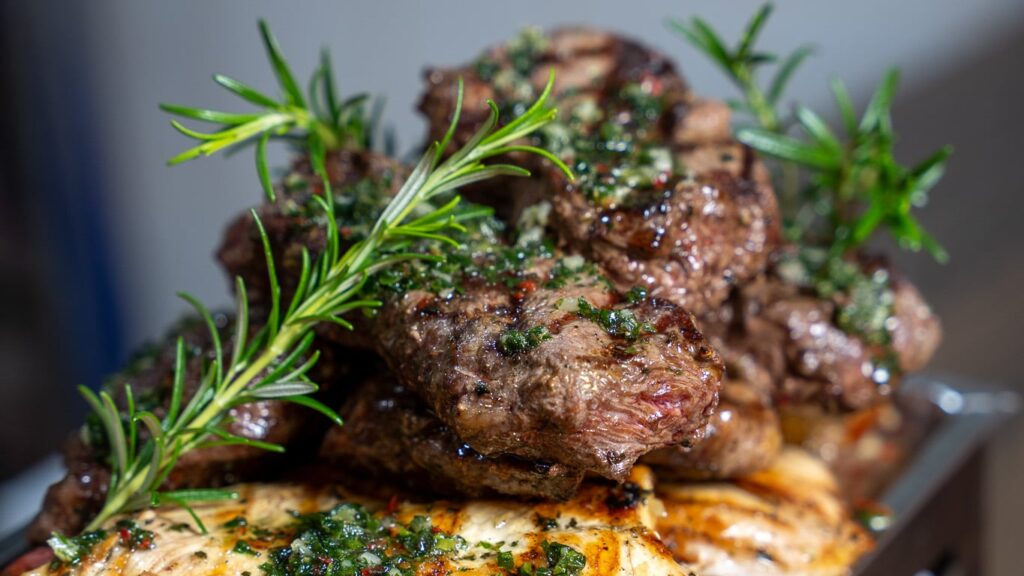
- The Alpaca Loin, a 240 g grilled portion with the side of your choice: Andean potatoes, crispy yuca or fettuccine.
- The Alpaca Loin in Pepper Sauce, served with Andean potatoes.
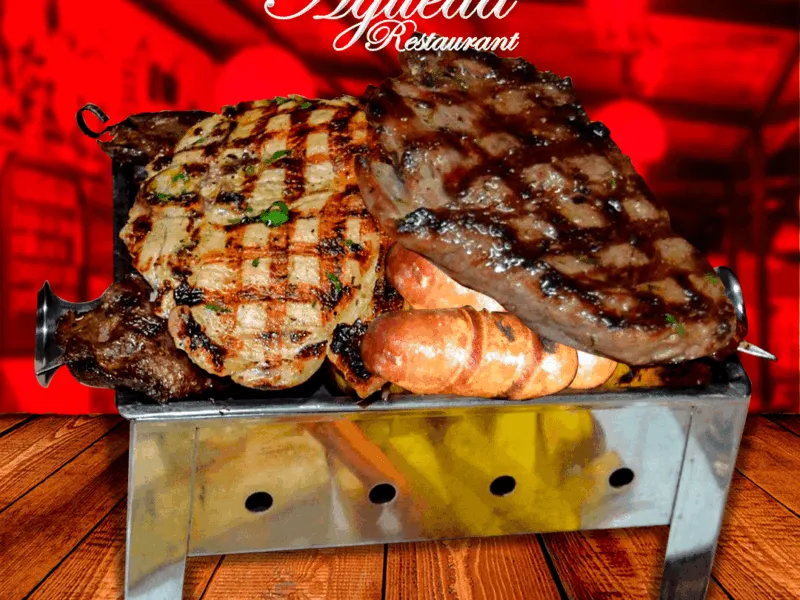
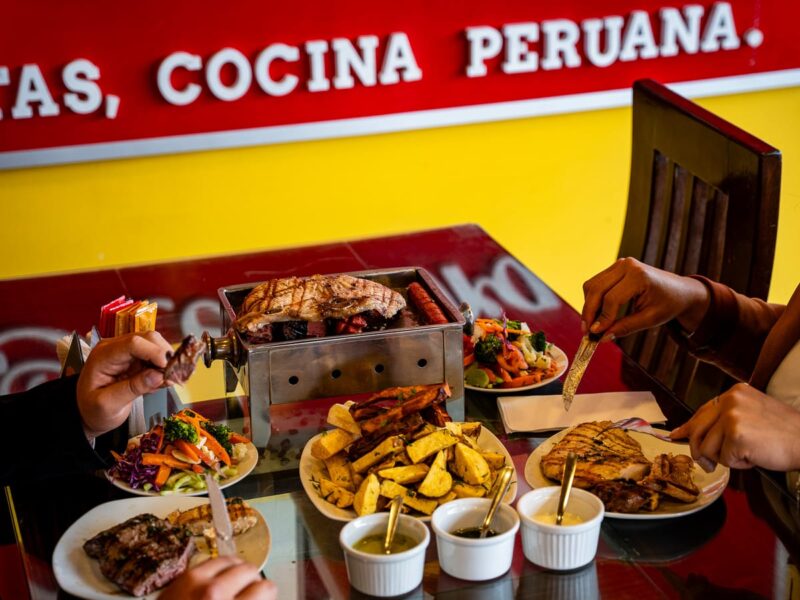
If you come as a group, my advice is to order an Alpaca Loin for the middle of the table, next to the grill, so everyone can try it; I help you plan the order in which grill to order for your group. And if you are planning an event or a company lunch, ask us about alpaca for your menu on our corporate lunches and dinners page.
When dining in, main courses include our complimentary salad bar. Book a table or order for pick-up or delivery on the online menu. Visiting Cusco? See also what to eat in Cusco’s Historic Center.
Sources: alpaca population, Andina and Agraria.pe (Midagri data, Spanish); camelid meat composition, review published in Redalyc (Spanish).
Frequently asked questions
What does alpaca meat taste like?
It has a mild, distinctive flavor, different from beef, not the strong gamey taste many expect. Cooked well, it is tender and juicy.
Is alpaca meat healthy?
Peruvian studies describe it as having around 23% protein, very little fat and less cholesterol than beef.
Where can I eat alpaca in Cusco?
At all three Águeda locations (Matará, Collasuyo and Ttio): grilled Alpaca Loin (240 g) and Alpaca Loin in Pepper Sauce, S/.47 each.
What is the difference between alpaca and llama?
The llama is larger and was the pack animal of the Andes; the alpaca is smaller and is raised mainly for its fiber and meat.
How should alpaca be cooked?
Rare or medium. It is very lean and dries out if overcooked.